Featured
Table of Contents
The reverse challenge works similar method, other than you begin by saving $52 in week one, $51 in week 2, and reduction by $1 per week. You'll have the very same amount saved by the end of the challenge. Make Money Faster Discover a high-yield cost savings account with today's APY.
This is a more aggressive spin on the above 52-week obstacle that may work better for you if you get paid every other week. You'll begin by saving $3 in week one, and then increasing the dollar amount you conserve by $3 each week. You'll save $6 in week two, $9 in week three, then $12, $15 and so on.
The most you'll ever transfer in a week will be $75, and you're just making a deposit on each payday. That can make this obstacle more attainable. The no-spend conserving difficulty is extremely adjustable, but here's the gist of it. You'll turn saving into a video game by setting tight constraints on all the costs you do, restricting yourself to only basic needs: housing, expenses and groceries.
Optimizing a 2026 Financial Plan
Pocket the cash you conserve and direct it toward building long-lasting financial stability. If you feel determined, you might push yourself for a week.
For this challenge, execute a round-up rule. Keep a tally of your change throughout the day or week and then move that cash over to savings, if you're using cards for payment.
It might not seem like $1 a day is a lot, but it gets you to $365 by the end of the yeara decent sum that you could funnel into your emergency fund, usage for holiday shopping or direct towards another long-term goal, such as conserving for a down payment on a house.
Think about completing this challenge in tandem with another difficulty to reinforce your successes. Streaming services, news platforms, subscription boxes, food delivery service membershipsall these fairly little charges add up.
Professional Steps to Restore Low Scores in 2026
If you have numerous streaming services, at least a couple can likely go without having much impact on your life. From there, tally up your regular monthly savings.
Mastering Your 2026 Budget PlanHave you thought about that executing minimalist practices could benefit your financial resources, but aren't sure if you can fully hack the minimalist way of life? Try going minimalist for a weekor even a monthwith a money minimalism challenge. The key to the difficulty is living merely, lowering your spending to only purchase what you need or really love.
That may suggest cooking more at home or going to a complimentary performance rather than paying for entertainment. It could likewise imply discovering things you do need, such as clothing or bakeware, used or through a Buy Absolutely nothing group. Money errors take place. But what if every time you made an impulse purchase, went off spending plan or otherwise made a money move you swore you would not, you put a dollar in the money mistake jar? The challenge is easy.
If, in a moment of impulse, you did some online shopping that wasn't budgeted for, throw a dollar in the jar. A dollar here and there will not balance out the damage that consistently going off budget can do to your bank account, but it could assist you strengthen excellent money practices and save a bit in the process.
Simple Tips for Saving Excess Cash During 2026
This cash obstacle has you slash your dining out budget plan completely and then put the money you would've invested into cost savings. Think about starting your difficulty little with a weekend or week. Last, transfer whatever money you usually invest on dining in a week into a cost savings account.
In that case, attempt zeroing in on another common practice: grabbing an early morning cup of coffee at a coffee shop. It's a little routine, but it can include up. The typical cup of coffee may cost $3.37 and a latte might balance around $5.60, according to data from Toast. If you get a beverage out five days a week, that amounts to about $876 annually for a cup of coffee or $1,456 each year if a latte is your beverage of choice.
Louis. With a pound of ground beans, you can brew about 25 cups of coffee. That comes out to about 37 cents a cup. Compared to grabbing your morning coffee on the go, that's a respectable deal. Naturally, if you can afford it and really take pleasure in coffee out, there's nothing wrong with indulging now and then.
Whichever challenge you tryor if you choose to integrate challenges to up your savings even moreknow where to stash your funds. A high-yield savings account will help you earn interest on your cost savings. Investing less than you earn and conserving the distinction is crucial to increasing your financial health. Beyond finishing a difficulty, think about other monetary relocations you could make to build your cost savings up this year.

Simple Strategies for Save Excess Money During 2026
Please contact our support team for further assistance. * If you're the owner of this site and have questions, connect to Bluehost. We're delighted to assist.
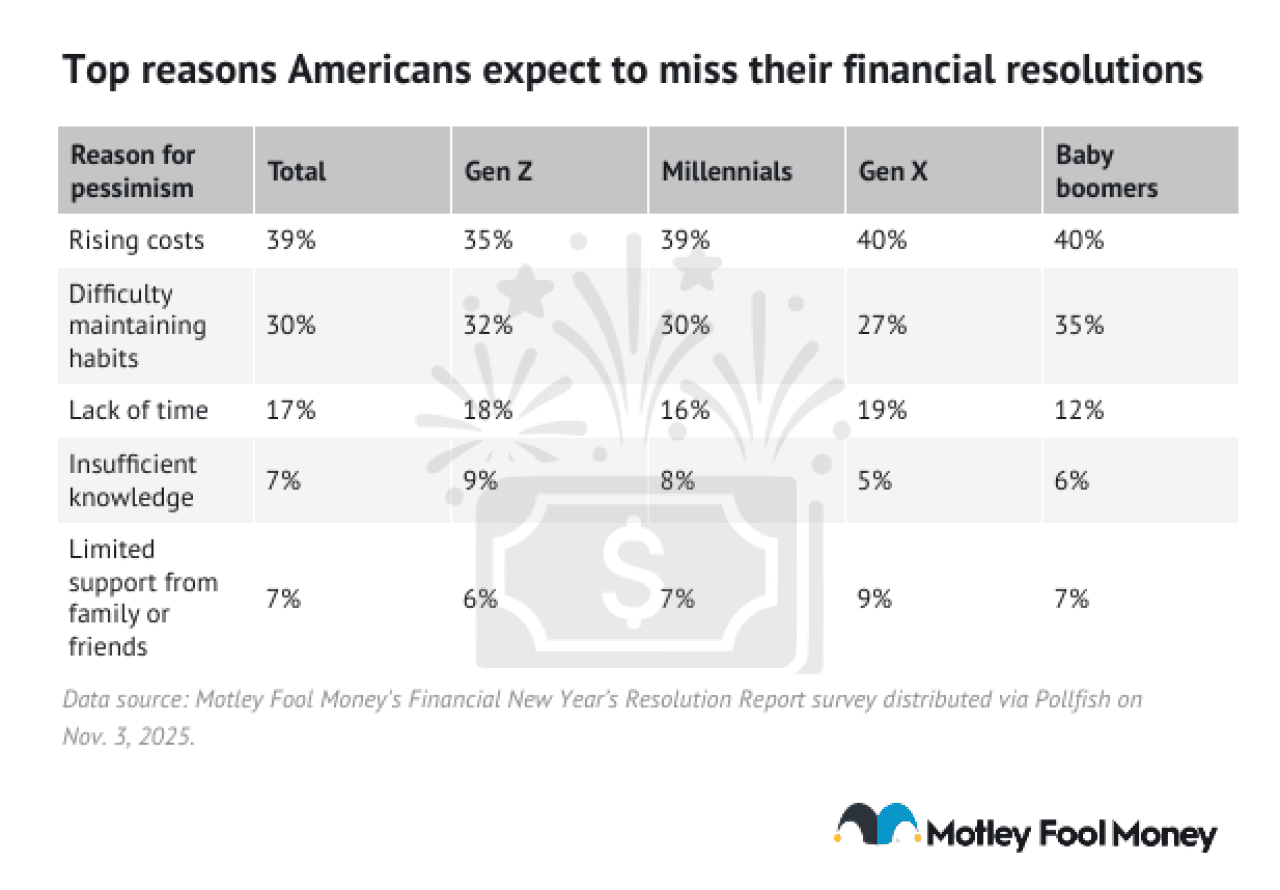
New Year's resolutions are available in lots of types, from physical fitness goals to productivity hacks to bucket-list goals. Don't forget about your finances, either. When it pertains to your monetary health, a new year is the best time to assess where you've been and where you're intending to go by taking concrete actions and completing mini-goals along the method.
"Think about it as buying your own future. The amount of time you take into preparation will pay dividends in the long run." Here are 6 practical ideas for setting yourself up for financial success in 2026 and beyond. Ignorance isn't bliss, especially when it comes to your credit report.

Latest Posts
Best Wealth Planning Tips for 2026
Controlling Monthly Debt Costs with Management Plans

Ways to Elevate Your Rating Effectively in 2026